

Sonax Singapore
SONAX Clay Bar 100g
SONAX Clay Bar 100g
Couldn't load pickup availability
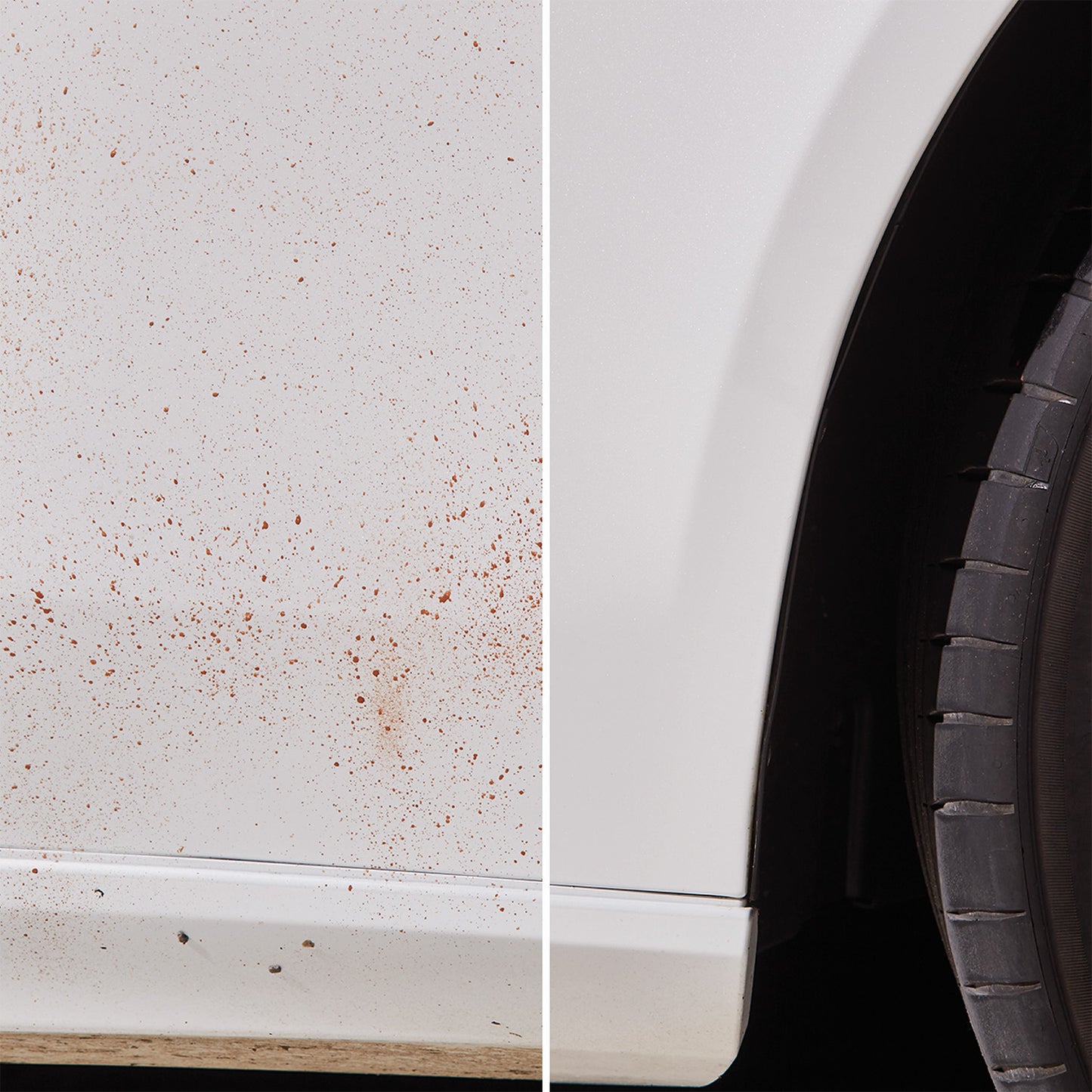
SONAX Clay is a high-quality and long-lasting clay for removing stubborn dirt from paintwork, glass and chrome. Remove paint overspray, industrial dust, surface rust, tree sap, tar, insect residue and other stubborn dirt deposits. Top quality as original product from Japan. Handy user-friendly size of 100g.
NEW packaging! Now in a durable round container with screw lid.
Key Features and Benefits:
- High-quality traditional clay
- Easily removes stubborn contaminants
- Prepares paintwork for polishing or paint correction
- Included container for convenient storage
- Clay is made in Japan
Directions for use:
Wash the vehicle thoroughly. Unpack the clay and knead it until a little wider. Generously spray SONAX Clear Glass or SONAX Profiline Glass Detailer Concentrate (1:10) onto the paintwork and clay as a lubricant. Carefully move the clay back and forth over all noticeable dirt. If necessary, spray again with Clear Glass. Check with your hand whether all unevenness has been removed, repeat application if necessary. Wipe with a clean microfibre cloth. After use, wipe off the clay with the cloth, knead well and store dry in the box. Not suitable for matt paintwork or matt films. Do not store wet (risk of contamination).
*Always use a lubricant like a glass cleaner or shampoo when claying. Shampoo needs to be rinsed off with water.
In between claying, when the clay is dirty, fold or knead clay to reveal a fresh, clean layer for claying again. Avoid using a clay bar that has been dropped, is heavily darkened or dirtied.
Use of a traditional clay bar is usually followed up with polishing or paint correction to remove marring left by the clay. For gentle claying with minimal risks of scratching, use a washable synthetic clay ball, disc, mitt, or cloth instead.
Frequently Asked Questions (FAQ):
Q: How do I know when the clay bar has loaded too much contamination and needs to be
A: Fold and re-knead the bar to expose a clean face every 2–3 panels; you'll see the grey contamination building up on the contact face. When the entire bar is uniformly grey and no clean clay is left to fold to, discard it. A contaminated bar drags rather than glides, which is the tactile signal
to stop and fold. Never drop and reuse; dropped clay picks up floor grit that will scratch paint.
Q: What does it remove?
A: Bonded contamination washing cannot remove; industrial fallout, tree sap, rail dust, and overspray embedded in clear coat.
Q: What makes it unique vs. Clay Disc and Clay Ball?
A: Traditional format providing the most direct tactile feedback; preferred for precise, controlled work on small or sensitive areas.
Q: Can a dropped clay bar be reused?
A: No, picks up abrasive grit from the floor and must be discarded. Unlike the Clay Disc and Ball which can be rinsed.
Q: Is lubricant required?
A: Yes, always use a clay lubricant to prevent marring the paint surface during treatment.
Share